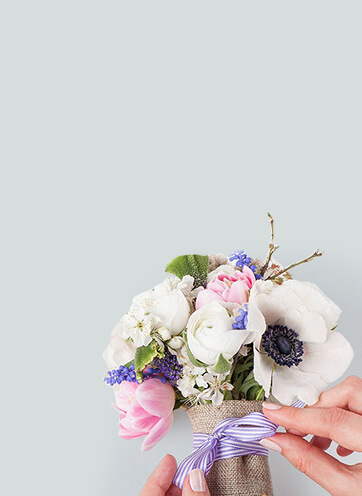
Allergy-friendly floral options for Marylebone cafes and homes
Posted on 26/09/2026
Fresh flowers should make a room feel calmer, brighter, and a bit more alive. But if you live or work in Marylebone, the reality is often more complicated: one guest sneezes, a cafe customer complains of a sore throat, or a household member avoids certain blooms altogether. That is where allergy-friendly floral options for Marylebone cafes and homes come in. The aim is simple, really: keep the beauty, reduce the irritation, and choose arrangements that suit everyday life as well as the space they sit in.
This guide walks through what allergy-aware floral styling actually means, which flowers and arrangements tend to be easier to live with, and how to choose something that still looks elegant in a cafe window, a hallway, a kitchen table, or a reception counter. You will also find practical selection tips, a comparison table, a checklist, and a few common mistakes to dodge. Because let's face it, nobody wants a lovely bouquet turning into a tissue box situation by lunchtime.
Why Allergy-friendly floral options for Marylebone cafes and homes Matters
Marylebone has a particular rhythm. It is polished but lived-in, busy but refined. Cafes here often have compact seating, open doors, and a steady stream of people in and out. Homes can be period properties with sash windows, long hallways, and rooms that deserve something beautiful but not overwhelming. In both settings, flowers are part of the atmosphere. They soften sharp edges. They signal care. They can also, unfortunately, trigger discomfort for people who are sensitive to pollen, scent, or plant debris.
That matters more than many people realise. A bouquet with heavy fragrance may be delightful to one person and unbearable to another. A highly pollen-laden lily arrangement may look luxurious, but not if it sets off symptoms for staff or visitors. In shared spaces, the goal is not to eliminate flowers. It is to choose better flowers, cleaner presentation, and smarter placement.
There is also the local context. In Marylebone, presentation counts. A cafe table arrangement has to look intentional beside cups, menus, and pastries. A home display has to work with light, traffic, and daily maintenance. Allergy-friendly choices help keep things pleasant without creating extra cleaning or awkward conversations. Truth be told, that is half the battle in busy London interiors: lovely should also be manageable.
Key point: allergy-friendly floral design is less about one "safe flower" and more about the combination of bloom choice, scent level, pollen load, placement, and maintenance.
How Allergy-friendly floral options for Marylebone cafes and homes Works
Allergy-friendly floral styling works by reducing the elements that most commonly cause irritation. The main culprits are usually pollen, strong scent, and loose plant material. Some flowers naturally produce less visible pollen, while others are low fragrance or have pollen that is less likely to be spread into the air. But it is never just about the flower type alone.
A smart arrangement also considers how the flowers are presented. Loose, open blooms can release more pollen than compact arrangements. Water quality, stem trimming, and regular removal of spent petals all affect how clean the display feels. For cafes, the vase style matters too. A narrow-neck vase or low bowl can keep everything contained and less likely to shed onto tables or counters. At home, it may simply be about choosing a vase that sits well out of reach of curious hands, pets, or a sunny radiator.
Fragrance is another important layer. Strong scent can be lovely in a spacious room, but in a smaller cafe corner or a flat hallway, it can become too much. If someone says, "It smells like flowers from the lift," that is usually your clue to step back a bit.
The safest approach is usually to combine:
- low-pollen blooms
- lightly scented or unscented varieties
- tidy, compact arrangements
- fresh water and regular stem care
- location-aware placement away from food service and airflow hotspots
That blend is what keeps flowers attractive without turning them into a problem.
Key Benefits and Practical Advantages
For Marylebone cafes and homes, allergy-friendly flowers do more than prevent sneezing. They improve the way a space functions. Here are the benefits people usually notice first.
- Better comfort for guests and staff: Fewer scent-heavy or pollen-heavy blooms means fewer complaints and less irritation.
- Cleaner presentation: Lower shedding helps keep tables, counters, and windowsills looking tidy.
- Longer visual appeal: Flowers that are selected and cared for properly tend to look better for longer. Simple enough, but often overlooked.
- More flexible styling: Allergy-conscious arrangements can work in reception areas, private homes, boutique cafes, meeting rooms, and hospitality settings.
- Reduced maintenance stress: Less pollen means less wiping, less dusting, and fewer "why is this yellow powder everywhere?" moments.
For cafes especially, the operational benefit matters. Staff are already juggling orders, cleaning, stock, and customer flow. An arrangement that looks beautiful but behaves itself is worth more than a dramatic centrepiece that sheds by 3 p.m.
For homes, the advantage is more personal. A carefully chosen bouquet can lift a room without overwhelming the person who has to sit near it every evening. That sense of calm is the real luxury, if you ask most people.
Who This Is For and When It Makes Sense
This topic is relevant for more people than you might think. It is not just for households where someone has a strong seasonal allergy. It also makes sense when you are styling a shared space, entertaining guests, or trying to keep a business space welcoming to as many people as possible.
You may want allergy-friendly floral options if you are:
- a cafe owner or manager in Marylebone
- a homeowner, tenant, or landlord decorating a flat or townhouse
- setting up a brunch space, deli, clinic, salon, or boutique reception
- hosting meetings, family gatherings, or private events
- choosing flowers for a person who prefers subtle scent and low fuss
It also makes sense if your space has any of these features:
- limited ventilation
- tables close together
- open food service
- people who spend long periods indoors
- children, elderly visitors, or pets
A cafe by Marylebone High Street, for example, may benefit from a low-profile arrangement near the till rather than a big, fragrant bunch on every table. A home in a quieter side street might use a soft, pale arrangement in the sitting room and keep the kitchen display smaller and simpler. Different rooms, different rules. No drama.
Step-by-Step Guidance
If you want a practical way to approach allergy-friendly flowers, start here. This process works well whether you are buying for a business or a home.
1. Start with the space, not the flower list
Look at where the flowers will live. Is it a compact cafe counter, a bright window ledge, a dining table, or a hallway console? Bigger statement flowers are not always better. Sometimes the room itself already has enough energy.
2. Choose low-pollen, low-irritation blooms
As a general rule, focus on flowers that are known for a tidier presentation and less visible pollen. Roses, alstroemeria, carnations, chrysanthemums, hydrangeas, and tulips are often considered easier options than highly pollen-heavy or strongly scented blooms. That said, individual sensitivities vary, so always think in terms of relative suitability rather than perfect safety.
3. Be careful with lilies and very fragrant flowers
Lilies look elegant, but they are often a poor fit for allergy-aware settings because of pollen and scent. The same caution applies to some highly perfumed varieties. If a bouquet is making the room smell "full" from the other side of the room, it is probably too much for a shared space.
4. Prefer compact arrangements
Tightly arranged bouquets, posies, baskets, and vase arrangements are generally easier to manage than loose, sprawling bunches. They shed less, feel neater, and are easier to position in small areas.
5. Use the right container
Glass vases, ceramic vessels, and low bowls can all work well. In a cafe, choose something stable and easy to wipe down. At home, think about the traffic in the room. A beautiful arrangement is not much use if the cat treats it like a water feature.
6. Keep the flowers fresh
Trim stems, refresh the water, and remove fading petals before they start dropping. Tidy maintenance makes a surprising difference to both appearance and comfort.
7. Reassess after placement
After a few hours or a day, notice how the arrangement behaves. Does the scent feel balanced? Is pollen visible? Is anyone sneezing near the table? Small adjustments are often enough.
Quick rule of thumb: if it looks elegant, smells light, and stays tidy, you are probably on the right track.
Expert Tips for Better Results
In practice, the best allergy-friendly floral displays are not accidental. They are planned with a bit of care and a steady hand.
- Use white, blush, soft yellow, or muted pastel palettes for a calm look that suits both cafes and homes.
- Mix structure with softness. A few fuller blooms paired with greenery can create a polished feel without needing too many flowers.
- Keep scented flowers away from food service. This is especially useful near bakery counters, coffee bars, and breakfast tables.
- Rotate arrangements seasonally. Spring tulips, summer mixed stems, and autumn-toned arrangements help avoid visual fatigue.
- Ask about pollen removal. A skilled florist can often remove stamens or build arrangements in a way that reduces spread. Not every flower can be treated the same way, though.
- Match the arrangement to the room's purpose. A reception space can handle a little more presence than a quiet reading corner.
One small but useful tip: if you are trying to create a "freshly styled" look in a cafe, avoid overfilling the arrangement. Too many blooms can look impressive for about ten minutes, then suddenly start crowding the table. A restrained design tends to age better.
And yes, there is a bit of judgement involved. That is normal. Flowers are not a spreadsheet, thankfully.
Common Mistakes to Avoid
Most problems come from good intentions and poor matching. The flowers may be beautiful, but the setup is wrong.
Choosing flowers only for looks
A dramatic bouquet is not always a good bouquet for a shared space. If the fragrance is strong or pollen is loose, the design may fail its real job.
Putting large arrangements too close to people
Even relatively mild flowers can become an issue if they are placed beside a nose-level seating area or directly next to food.
Ignoring ventilation
What works in a bright, airy room can feel heavy in a smaller flat or a cafe corner with limited airflow.
Forgetting maintenance
Wilted petals, cloudy water, and dropped leaves create both visual clutter and irritation. The arrangement begins to look tired, and that never helps.
Assuming "allergy-friendly" means "allergy-proof"
It does not. There is no universally safe flower for every person. The goal is to lower risk and improve comfort, not to make absolute promises.
Using too much fragrance as a design shortcut
If a space smells strongly of flowers, someone will eventually mention it. Usually politely. Sometimes not.
One more thing: do not overlook individual preferences. A flower that works for one person may still be irritating to another, especially if they have asthma, scent sensitivity, or a history of strong reactions. Good communication saves a lot of bother.
Tools, Resources and Recommendations
You do not need special equipment, but a few practical tools make allergy-friendly flower care much easier.
- Clean vases or containers: Easy to wash and stable enough for everyday use.
- Sharp scissors or florist snips: Neat stem cuts help flowers last longer and stay tidy.
- Fresh water and a regular change schedule: This supports better presentation and reduces unpleasant smells.
- Soft cloths or paper towels: Handy for wiping pollen, water marks, and stray debris before guests notice.
- Space planning: A small tray, shelf, or counter area can help keep arrangements out of the busiest traffic zones.
When choosing flowers, practical options that often suit allergy-aware spaces include:
- roses
- alstroemeria
- carnations
- hydrangeas
- chrysanthemums
- germini
- tulips
If you want a gentle, stylish arrangement for a reception desk or home table, a selection such as pure elegance or white-toned blooms can be a strong starting point. For something a little softer and more domestic, natural poetry or floral melody can suit a calmer room without feeling stiff. The exact fit depends on the space, of course.
If you are choosing for a business, it can also help to look at wider service pages such as corporate accounts or the general Marylebone flower delivery service when you need reliable regular deliveries. For general care and upkeep, the site's flower care guidance is also useful.
Law, Compliance, Standards, or Best Practice
This topic sits mostly in the realm of best practice rather than strict legal rules, but there are still sensible expectations to keep in mind. In a cafe or shared residential setting, you have a general responsibility to avoid creating avoidable discomfort or hazards for visitors and staff. That usually means thinking about trip hazards, spill risk, cleaning, and reasonable accommodation for known sensitivities.
If flowers are displayed in a business space, keep them away from food preparation surfaces and ensure water containers are stable. In hospitality settings, good hygiene matters. Spilled water, decaying petals, and hidden leaves are not just untidy; they can become a nuisance.
For households, the best practice is more informal but still important: if someone in the home has allergies, asthma, or scent sensitivity, ask before bringing in highly fragrant flowers. It sounds obvious, but people forget. A lot.
It is also wise to remember that no florist should overpromise. Allergy-friendly does not mean medically safe for everyone. A responsible approach is to describe arrangements as lower-pollen, low-scent, or better suited to sensitive environments, rather than making absolute claims.
For businesses, that careful wording matters. It protects trust and avoids misunderstanding. Honestly, it is just good manners dressed up as policy.
Options, Methods, or Comparison Table
Below is a simple comparison of common floral approaches for Marylebone cafes and homes. This is not about winners and losers. It is about fit.
| Option | Allergy profile | Best for | Things to watch |
|---|---|---|---|
| Roses | Often moderate to low irritation, depending on scent | Homes, dining tables, front counters | Some varieties are more fragrant than others |
| Alstroemeria | Often a practical lower-pollen choice | Cafes, desks, mixed arrangements | Can look busy if overused |
| Carnations | Usually manageable in shared spaces | Compact displays, event styling | Can feel old-fashioned if not styled well |
| Hydrangeas | Generally good for visual impact with limited scent | Reception areas, home sideboards | Need careful watering and handling |
| Chrysanthemums | Often useful for structure and colour | Mixed bouquets, cafe decor | Some people remain sensitive, so context matters |
| Lilies | Less suitable for many allergy-aware settings | Rarely ideal for shared spaces | Strong scent and pollen can be a problem |
| Tulips | Frequently used for cleaner, simpler arrangements | Homes, spring displays | Need fresh water and upright support |
Another way to think about the choice is by display style:
- Posy or basket: compact, tidy, and often best for small tables
- Vase arrangement: flexible and suitable for counters, shelves, and windowsills
- Mixed bouquet: good for homes where styling matters more than maximum durability
- Subscription-style rotation: useful for cafes or busy homes that want regular refreshes without constant decision fatigue
If you want repeatable consistency, something like a seasonal rotating display can be a sensible route. For occasional gifting or a one-off refresh, a more tailored arrangement may be better.
Case Study or Real-World Example
Consider a small Marylebone cafe with eight indoor tables and a narrow front window. The owner wants flowers because they make the place feel cared for, but the first attempt-a large, highly scented bouquet-draws a few customer comments and a couple of sneezes near the window seat. Nothing catastrophic. Still awkward.
So the cafe switches to smaller white and blush arrangements in low vases, placed only on the counter and one central table. They choose lower-pollen stems, keep the flowers away from the pastry display, and refresh the water daily. The difference is immediate. The room still looks polished, but it no longer competes with the coffee aroma or the breakfast rush.
A similar thing happens in a Marylebone flat. The resident wants flowers for a dinner party, but one guest is sensitive to strong perfume. Instead of a big fragrant centrepiece, the host uses a simple vase with tulips and roses on the sideboard. It looks elegant, people can still talk comfortably across the table, and nobody is rubbing their nose by dessert.
That is the sweet spot. Not bland. Not overdone. Just thoughtful.
Practical Checklist
Use this quick checklist before ordering or placing flowers in a cafe or home.
- Have I considered whether anyone in the space has scent or pollen sensitivity?
- Is the arrangement low-scent or lightly scented?
- Does it use lower-pollen or tidier bloom types where possible?
- Will it sit safely away from food, drink, and heavy foot traffic?
- Is the container stable and easy to clean?
- Will the flowers still look good after a day or two, not just at the moment of delivery?
- Have I avoided overfilling the arrangement?
- Is the placement away from hot radiators, direct sun, or strong drafts?
- Do I have time to trim stems and change water regularly?
- Have I chosen a style that suits the room rather than overpowering it?
If you can tick most of those off, you are in good shape. If not, scale back a little and simplify. That usually solves more than it creates.
Expert summary: the most successful allergy-friendly floral displays are calm, clean, and considered. They do not shout for attention. They quietly improve the room.
Conclusion
Allergy-friendly floral options for Marylebone cafes and homes are really about balance: beauty without excess, atmosphere without irritation, and style that works in the real world. In a neighbourhood like Marylebone, where spaces often need to feel both elegant and easy to live with, that balance matters more than ever.
Start with the room, choose lower-irritation flowers, keep arrangements tidy, and be honest about what the space needs. A well-chosen bouquet should make people feel welcome, not wary. And when you get it right, it does exactly that. Quietly, elegantly, almost without anyone noticing why the room suddenly feels better.
For a next step, look at your space, think about who uses it, and choose flowers that fit both the mood and the practical realities of the room. If you need something regular for a business, or simply want a better fit for home, a more considered floral plan is often the easiest win.
Get a free quote today and see how much you can save.
Frequently Asked Questions
What flowers are usually best for allergy-friendly arrangements?
Flowers such as roses, alstroemeria, carnations, hydrangeas, chrysanthemums, germini, and tulips are often chosen for shared spaces because they can be easier to manage than very fragrant or pollen-heavy blooms. That said, no flower is universally suitable for every person.
Are lilies a bad choice for cafes and homes with allergies?
Often, yes. Lilies can be quite fragrant and may release visible pollen, which makes them less suitable for allergy-aware environments. If someone in the space is sensitive, it is usually safer to choose a different bloom.
Do allergy-friendly flowers have to look plain?
Not at all. A thoughtful arrangement can be elegant, modern, and full of character. The trick is choosing the right stems, keeping the design compact, and using a palette that suits the room. Plain is not the goal. Comfortable and attractive is.
How do I make flowers less irritating in a small cafe?
Use low-scent, lower-pollen flowers, keep arrangements compact, and place them away from food displays and seating at nose level. Good ventilation helps too, especially in smaller rooms.
Can I have scented flowers at home if someone has mild allergies?
Possibly, but lightly scented or unscented options are usually a better bet. If you want fragrance, keep it subtle and avoid placing the arrangement in a confined room or close to sleeping areas.
What is the difference between low-pollen and allergy-free?
Low-pollen means the flower may be less likely to trigger irritation than other types. Allergy-free is too strong a promise, because people react differently. In practice, it is better to think in terms of lower risk rather than no risk.
Are flower subscriptions suitable for allergy-sensitive households?
Yes, provided the florist understands your preferences and keeps the selection consistent. A regular subscription can work well if it focuses on low-scent, tidy arrangements and avoids risky blooms.
How often should I change the water in an allergy-friendly flower arrangement?
Usually every couple of days is a sensible habit, though the exact timing depends on the flower type and room temperature. Fresh water helps the flowers last longer and reduces stale smells, which matters more than people think.
Can I ask a florist to avoid specific flowers?
Absolutely. That is a very normal request, especially if you are ordering for a shared home or cafe. The more specific you are about scent level, colour palette, and placement, the better the result tends to be.
Are compact bouquets better than large arrangements for allergies?
Often they are. Compact bouquets and posies tend to shed less, look neater, and are easier to place in shared spaces. Large arrangements can work too, but only if they are carefully chosen and positioned.
What flowers work well for a Marylebone cafe counter?
Short, tidy arrangements with low scent are usually the safest choice. Roses, alstroemeria, carnations, or a small mixed vase can work well if they are kept away from food and cleaned regularly.
How do I know if a flower arrangement is too strongly scented?
If you can smell it clearly across the room, it is probably strong enough to bother someone nearby. A light floral note is usually fine. A perfume-like presence in a small room is less comfortable, especially over time.
Can allergy-friendly flowers still be seasonal and stylish?
Yes. Seasonal styling is actually one of the easiest ways to keep things fresh without overcomplicating the display. Spring tulips, summer mixed stems, and autumn-toned arrangements can all be adapted for lower-irritation use.
What should I avoid if I want flowers in a home with pets or children?
Keep arrangements stable, avoid highly toxic plants, and place flowers out of reach where possible. Allergy-friendly and pet-safe are not exactly the same thing, so it is worth checking both.